


-

Add: HeBei ShengShi HongBang Cellulose Technology CO.,LTD.
-

Email
13180486930@163.com -

CONTACT US
+86 13180486930
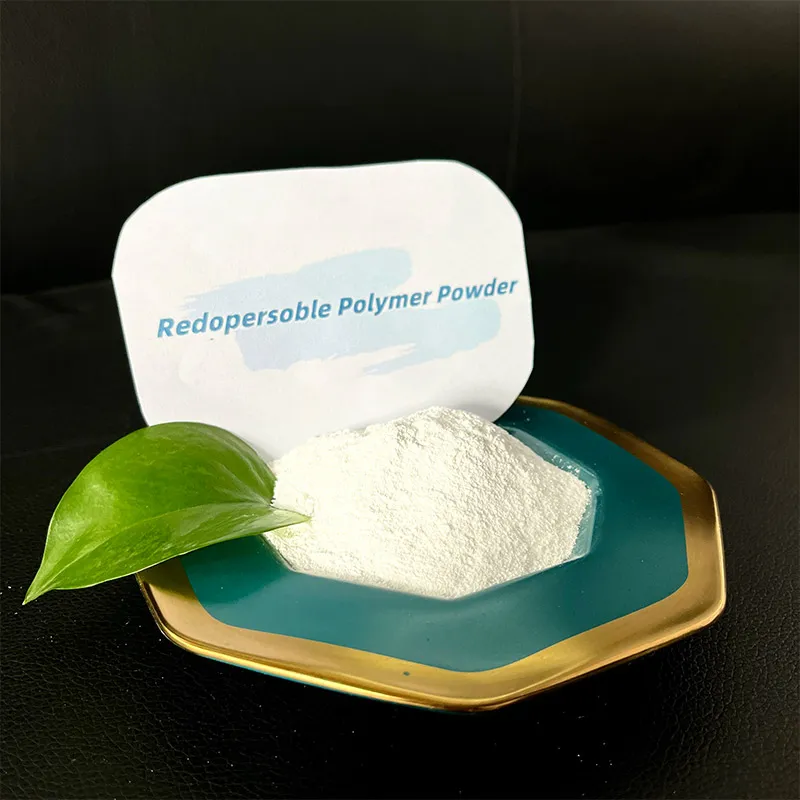
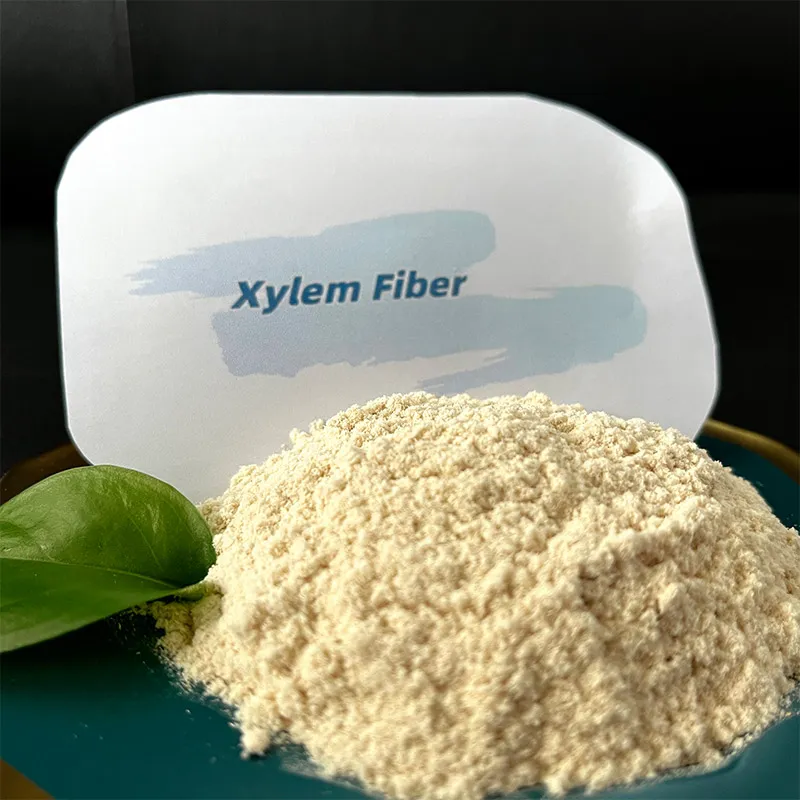

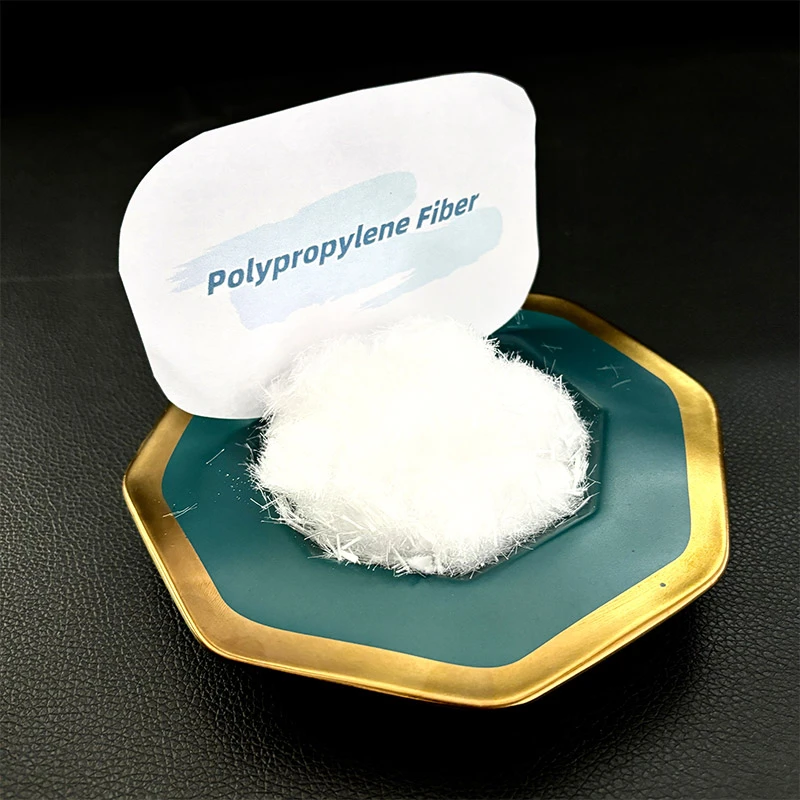
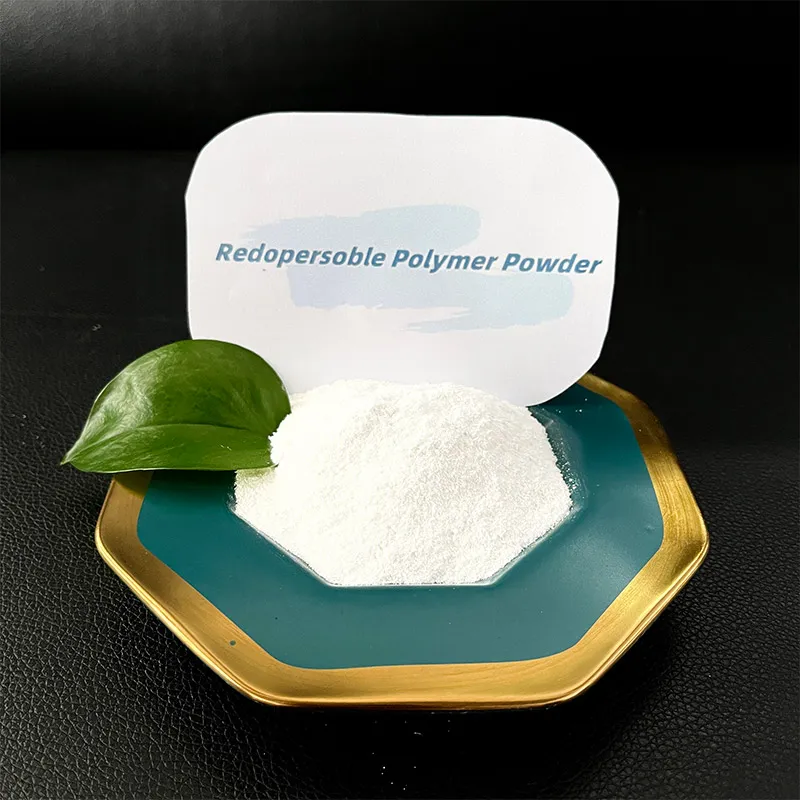


Polimer Un Taği Zamonaviy Texnologiyalar va Qishloq Xo‘jaligida Qo‘llanilishi Polimer un taği, zamonaviy materiallar muhitida muhim o‘rin tutadi. U polimerlarning mikroskopik qismlaridan tashkil topgan bo‘lib, ko‘plab sohalarda qo‘llaniladi, ayniqsa qishloq xo‘jaligida. Ushbu maqolada polimer un tağinin nimadan iboratligi, uning xususiyatlari va afzalliklari haqida so‘z yuritamiz. Polimer un taği, asosan, plastik materiallardan yaratiladi. Un taği sifatida qo‘llanilishidan maqsad, qishloq xo‘jaligida tuproqni yaxshilash, o‘simliklarni himoya qilish va yig‘im-terim jarayonlarini soddalashtirishdir. Bu materiallar nafaqat o‘simliklar uchun ozuqa manbai bo‘lib xizmat qiladi, balki tuproqning fizik va kimyoviy xususiyatlarini ham yaxshilaydi. . Bundan tashqari, polimer un taği tuproqni mahkamlaydi va uning strukturaviy yaxlitligini ta’minlaydi. Bu, o‘simliklarning ildiz tizimining yanada yaxshi rivojlanishiga yordam beradi. Tuproqning tuzilishi yaxshi bera olishi va havo almashinuvi yaxshi bo‘lishi natijasida, o‘simliklar sog‘lom va kuchli bo‘lib o‘sadi. полимер ұнтағы Polimer un taği, shuningdek, tuproqning kimyoviy xususiyatlarini yaxshilashda ham muhim rol o‘ynaydi. U tuproqdagi minerallarni va boshqa oziq moddalarni eng qiyin sharoitlarda ham saqlab qolish imkonini beradi. Natijada, o‘simliklar uchun zarur bo‘lgan ozuqa moddalarining samarali singishi ta’minlanadi. Qishloq xo‘jaligi sohasida polimer un tağini qo‘llash nafaqat o‘simliklarning samarali o‘sishini ta’minlaydi, balki bu jarayonni iqtisodiy jihatdan ham foydali qiladi. O‘simliklar yuqori hosil berishiga olib kelishi, fermerlar uchun moliyaviy jihatdan foydali bo‘ladi. Shuningdek, bu usul qishloq xo‘jaligida resurslarni tejashga yordam beradi, chunki suv va yeyish quvvatlari ancha samarali ishlatiladi. Shuni ta’kidlash kerakki, polimer un tağinin iste'moli va ishlatilishi ekologik jihatdan ham xavfsizdir. Tobora ko‘proq fermerlar va agronomlar bu materialni tanlaydilar, chunki u tuproqning ekotizimini buzmaydi va tabiatga zarar yetkazmaydi. Demak, polimer un taği nafaqat odamlar uchun, balki atrof-muhit uchun ham foydali materialdir. Xulosa qilib aytganda, polimer un taği zamonaviy qishloq xo‘jaligida juda muhim va foydali materialdir. Uning suvni ushlab turish, tuproqni yaxshilash va o‘simliklar hosilini oshirishdagi o‘rni har bir fermer va agronom uchun ahamiyatlidir. Polimer un tağini qo‘llash orqali qishloq xo‘jaligida samaradorlikni oshirish, istiqbolli kelajakni yaratish mumkin.
- 40000tons

Production
- 20+years

Experience
- 5000+㎡

Acreage

-
The Role of Modified Starch in Food and Industrial Applications Modified starch has become a significant ingredient in both the food industry and various industrial applications. With its versatility and functional properties, modified starch plays a crucial role in enhancing the texture, stability, and overall quality of products. This article explores the types, benefits, and applications of modified starch, highlighting its importance in modern production processes. What is Modified Starch? Modified starch refers to starch that has been physically, enzymatically, or chemically altered to enhance its properties and functionality. Common sources of starch include corn, wheat, potato, and tapioca. The modification process aims to improve characteristics such as solubility, viscosity, and stability under varying pH levels and temperatures. There are several methods to modify starch, including 1. Physical Modification This involves processes like heating, cooling, or extrusion. These processes can alter the starch structure without the use of chemicals. 2. Enzymatic Modification Enzymes are used to change the structure of starch, improving its functionality while maintaining its natural characteristics. 3. Chemical Modification This method uses acids, alkalis, or other chemicals to create new derivatives of starch, resulting in specific properties that are beneficial for targeted applications. Benefits of Modified Starch The modification of starch provides several benefits, including 1. Improved Solubility Modified starch can dissolve easily in cold water, making it ideal for instant foods and sauces, where quick preparation is essential. the modified starch 2. Enhanced Thickening Properties Modified starch can create stable gels and emulsions, providing desirable textures in products like puddings, dressings, and gravies. 3. Increased Stability It helps stabilize products against changes in temperature and pH, essential for products that need to withstand processing conditions or extended shelf life. 4. Better Freeze-Thaw Stability Modified starch prevents texture changes in frozen products, ensuring a consistent quality when thawed. This stability is crucial for frozen foods, dairy products, and sauces. Applications of Modified Starch 1. Food Industry Modified starches are widely used in the food sector for thickening, stabilizing, and gelling. They find applications in - Dairy Products Modified starch helps in maintaining texture and stability in yogurt, ice cream, and cheese products. - Bakery Goods It enhances moisture retention and improves the shelf life of bread and cakes, providing a desirable texture. - Sauces and Dressings Provides a smooth and stable consistency while preventing separation. 2. Industrial Applications Beyond the food industry, modified starch has significant applications in other sectors, including - Paper and Textile Industries Utilized as a binding agent, it enhances the strength and quality of paper products and fabrics. - Pharmaceuticals Modified starch serves as a filler or binder in tablets and capsules, playing a vital role in drug formulation. - Cosmetics It is used in various cosmetic products as a thickener and stabilizer, improving the texture of creams and lotions. Conclusion Modified starch is an invaluable ingredient that enhances the quality and functionality of a wide range of products. From the food industry to pharmaceuticals and textiles, its versatility makes it a preferred choice for manufacturers aiming to improve their product offerings. As technology advances and consumer demands evolve, the development of new modified starches will likely continue, ensuring that this ingredient remains at the forefront of innovation in both food and industrial applications. With its myriad benefits, modified starch is poised to play a vital role in sustainable and high-quality production processes for years to come.
-
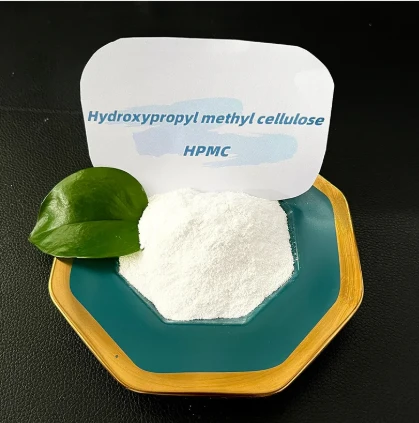
In the complex world of construction and building materials, innovative products regularly establish new standards. One groundbreaking advancement is ANSOS HPMC – Hydroxypropyl Methylcellulose, a synthetic polymer that holds remarkable potential in various applications. As this product is poised to become a staple among construction professionals, it is crucial to explore its real-world applications, niche benefits, and why it earns its place in your inventory. ANSOS HPMC is designed to excel in construction environments where versatility and performance are of paramount importance. The product's multifunctional nature allows it to be integrated effectively across a range of projects, offering distinct advantages over traditional materials. Its primary function is as an additive to cement-based products . This polymer is ingeniously tailored to enhance water retention, consistency, and workability of cement mixes, therefore ensuring superior outcomes. Construction professionals who have incorporated ANSOS HPMC into their repertoire often share compelling experiences that underline its effectiveness. For instance, a project manager overseeing a housing development in Arizona faced challenges with heat-induced rapid water loss in cement mixes. Introducing ANSOS HPMC allowed the contractor to maintain a desirable moisture balance during curing, significantly reducing the occurrence of cracks and ensuring a smoother finish. Expertise in construction materials points to another application where ANSOS HPMC demonstrates its value tile adhesives. Professionals laud the product's ability to improve bond strength and extend open time, thereby reducing failures and enhancing tile longevity. In one industry case study, a tile installer reported a 25% reduction in tile adhesive costs when switching to formulations containing ANSOS HPMC, owing to fewer callbacks and reduced wastage. What further bolsters ANSOS HPMC's standing is its unmatched environmental profile. The combination of biodegradable components with a low toxicological risk makes this polymer an attractive choice for projects emphasizing sustainability. For instance, a European construction firm committed to green practices witnessed an improved LEED rating following the adoption of ANSOS HPMC-enhanced products, highlighting its eco-friendly appeal. ansos hpmc Expert reviews emphasize the polymer's role in reducing environmental strain by optimizing the proportion of raw materials needed in mix designs. This reduction drastically cuts down CO2 emissions associated with binder production, aligning with global efforts toward sustainable construction. As an authoritative voice in construction material advancements, many seasoned professionals attest to the product's reliability and efficacy. ANSOS HPMC's ability to maintain structural integrity under diverse conditions is unmatched, catering to both high-stakes urban projects and self-build communities. The Institute of Modern Construction Materials published a report recognizing ANSOS HPMC as a pivotal step forward in polymer research, underscoring the scientific community's confidence in its capabilities. The trustworthiness of ANSOS HPMC is reinforced through extensive quality testing and satisfaction metrics among users. Manufacturers provide comprehensive data regarding performance consistency across varying climates and project scales. Independent testing agencies continue to verify these claims, making ANSOS HPMC a benchmark for industry standards. However, adopting ANSOS HPMC also includes understanding its technical nuances to maximize benefits. For instance, slight variations in mix formulation can be fine-tuned to project-specific needs, allowing precise control over setting times and flexibility without compromising quality. In conclusion, ANSOS HPMC stands out as a transformative polymer in the construction sector, backed by real-world experiences, specialist endorsements, authoritative acknowledgements, and proven trustworthiness. Its contributions extend beyond mere functional applications, representing a broader commitment to innovation and environmental stewardship. As construction practices evolve, ANSOS HPMC is poised to remain a catalyst in shaping the future of building materials. For those seeking to enhance project outcomes while remaining true to sustainability goals, ANSOS HPMC is an investment not merely in superior materials but in the cutting-edge progression of construction methodology.
advantages
-

200000 Viscosities
Excellent product
We can produce pure products up to 200,000 viscosities
-

40000 tons
High yield
We don’t stop production all year round, and the annual output can reach 40,000 tons
-

24 hours
Quality service
We provide 24-hours online reception service, welcome to consult at any time
———— Inquiry Form
Schedule A services
-
 fibre_slab
Oct . 25, 2025
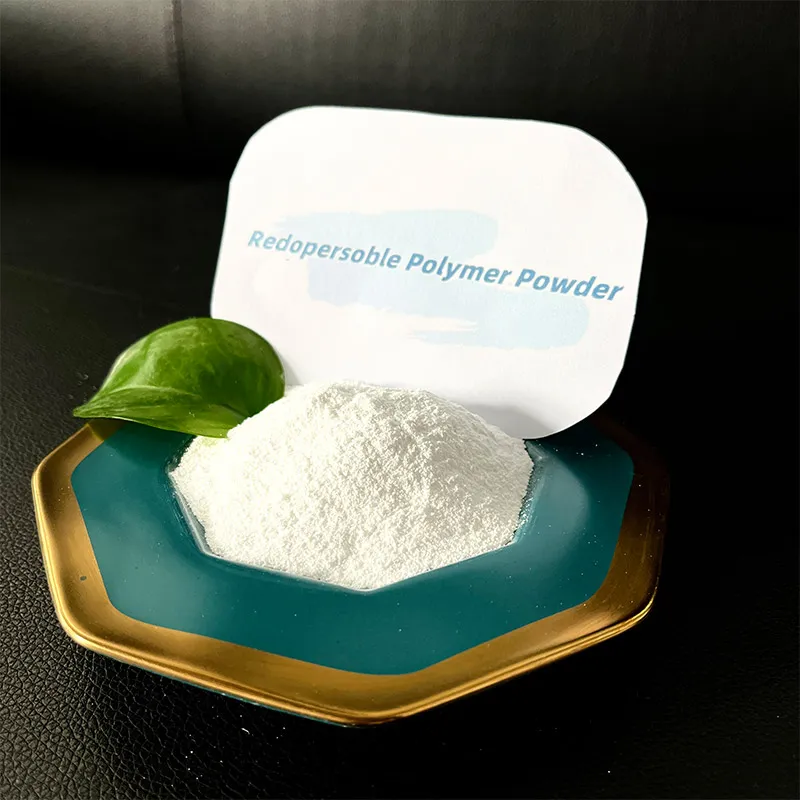
Redispergable Latex Powder An Innovative Solution in the Coating Industry In recent years, the deman -
 five_types_of_synthetic_fibres
Oct . 25, 2025
Hydroxypropyl methylcellulose (HPMC) is a multi-functional polymer that garners extensive attention -
 pagkuha_ng_selulusa_mula_sa_kahoy
Oct . 25, 2025
Starch ether has emerged as an innovative and pivotal component in the construction industry, revolu


